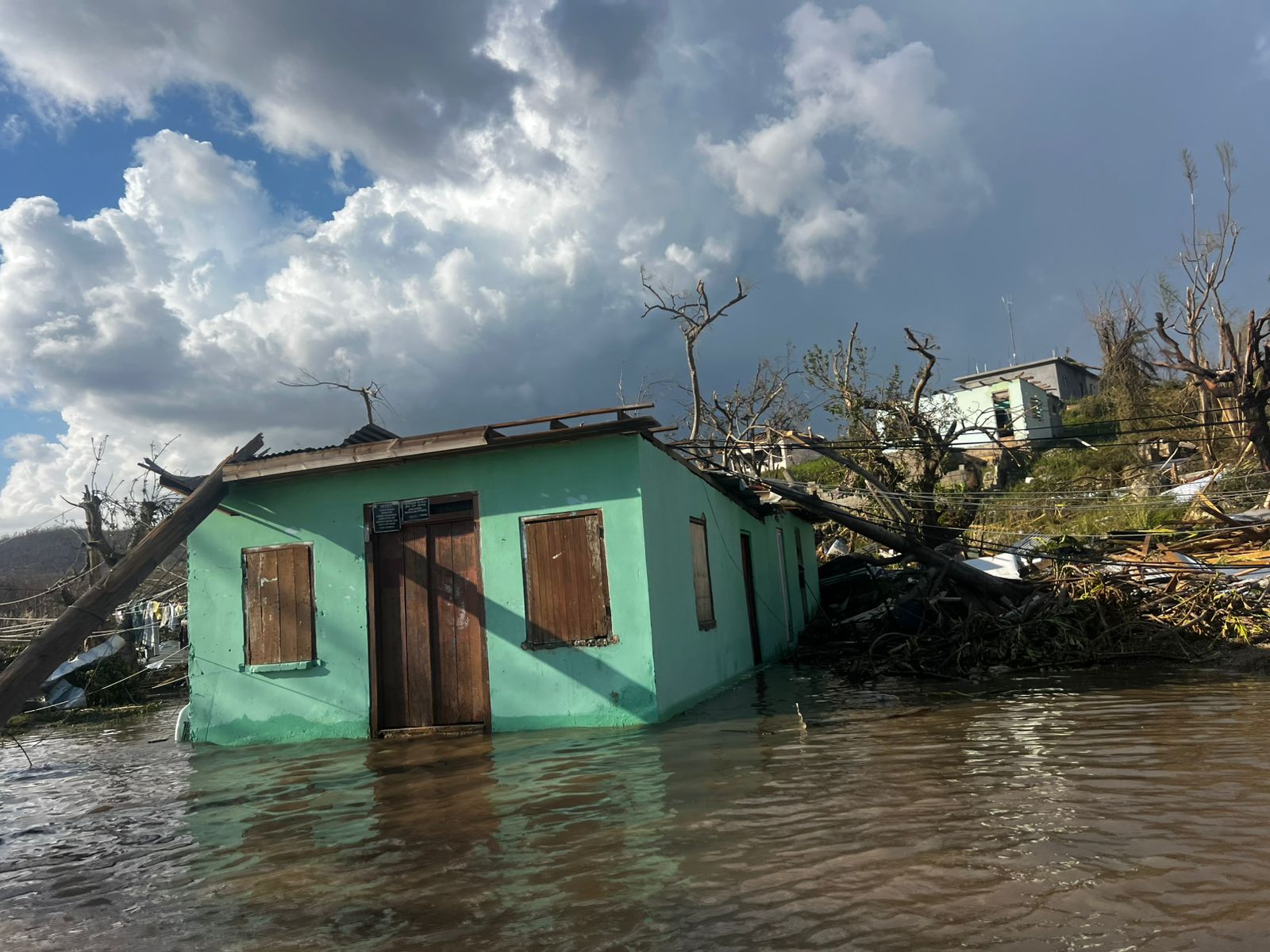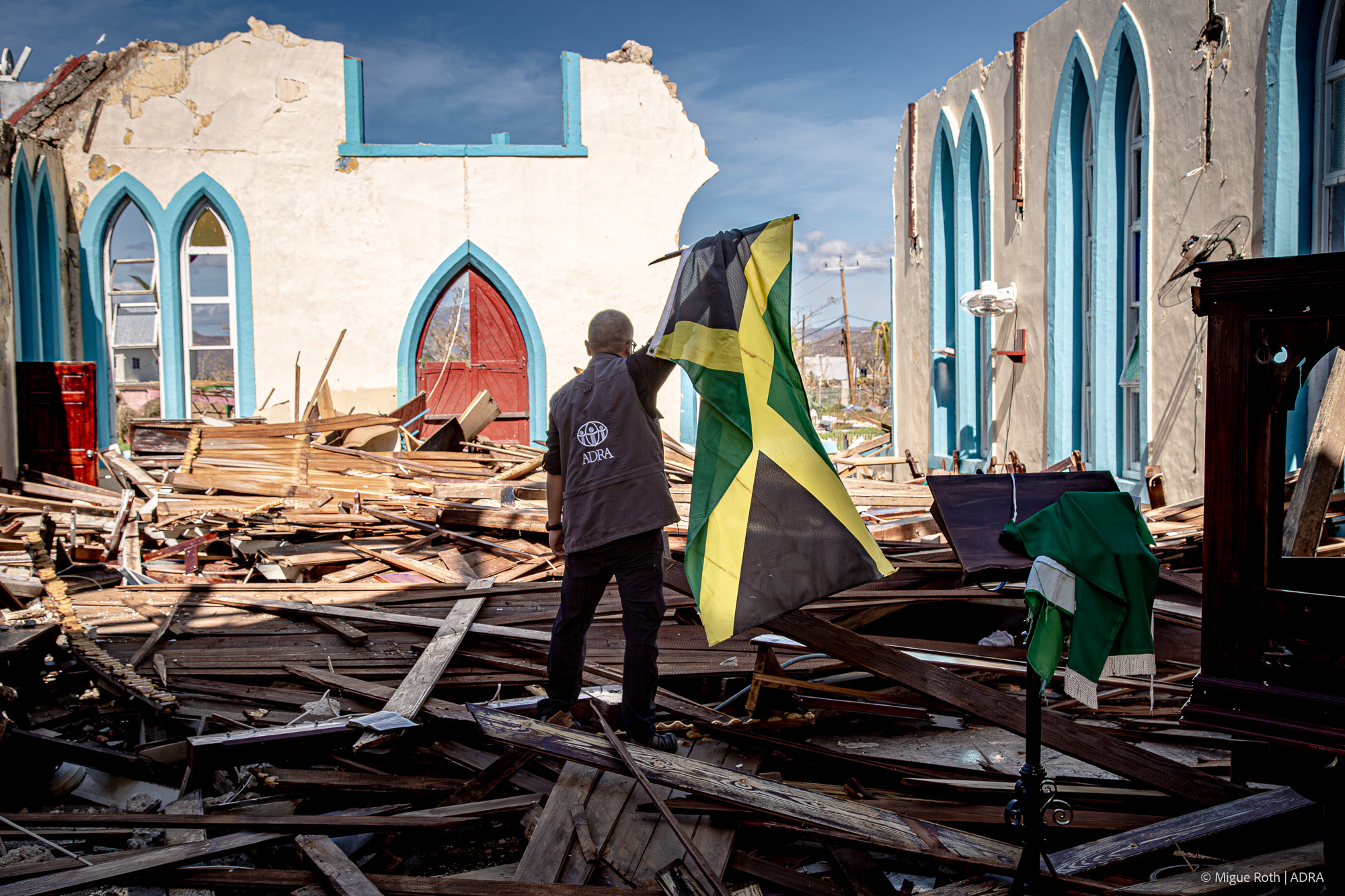
In the weeks since Hurricane Melissa made landfall in Jamaica as a catastrophic Category 5 storm in October, recovery efforts continue amid growing public health concerns. The storm caused widespread flooding and damage to homes, infrastructure, and water systems, leaving many families without reliable access to safe drinking water. As floodwaters recede, Jamaican health authorities have declared an outbreak of leptospirosis, a serious bacterial disease linked to contaminated water and soil.
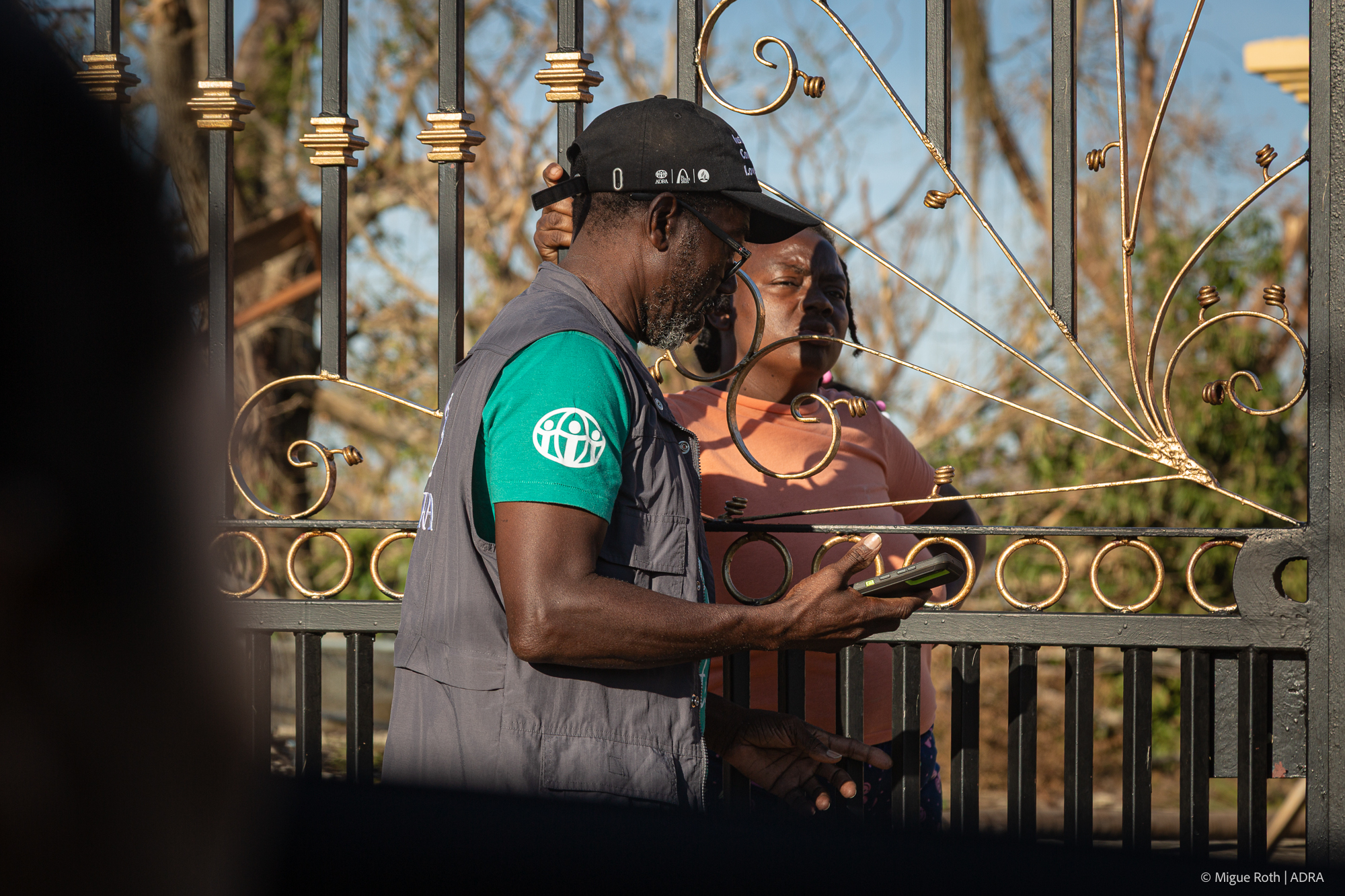
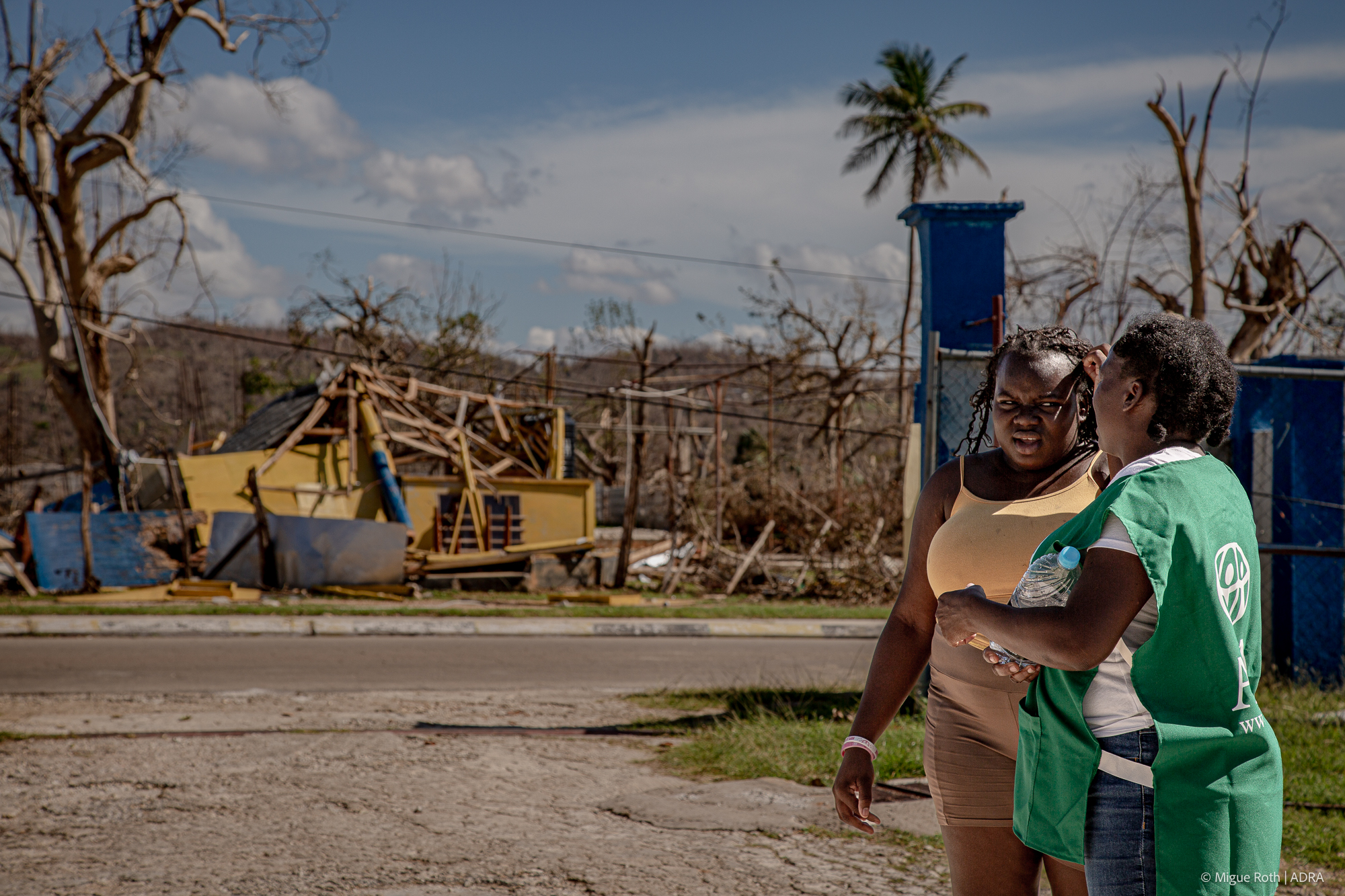
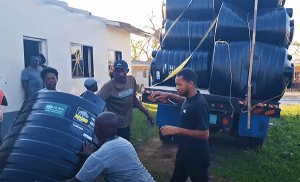
In response to these urgent needs, ADRA is supporting some of the hardest-hit communities, including St. Elizabeth, by improving access to safe water and hygiene supplies. A door-to-door needs assessment found that most households identified clean water as their most urgent unmet need. Based on these findings, ADRA Jamaica has been working to provide 200 households with 200-gallon water storage tanks and distribute 400 family hygiene kits to vulnerable families, prioritizing larger households and those with limited access to water.
Beyond meeting immediate needs to protect families from disease, this response is designed to support longer-term recovery. ADRA Canada continues to stand in solidarity with the people of Jamaica as communities work to rebuild and restore safe living conditions. Your support makes it possible to respond swiftly, protect vulnerable families, and help lay the foundation for healthier, more resilient communities in the aftermath of disaster.
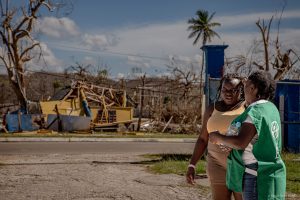
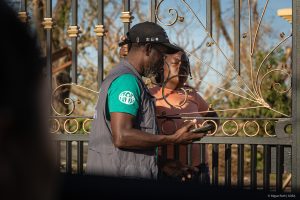 ADRA has been able to respond quickly, providing cash assistance to those most affected.
ADRA International has mobilized a physical presence in Jamaica through Emergency Response Teams, and they have been working around the clock to prepare the food kit distributions.
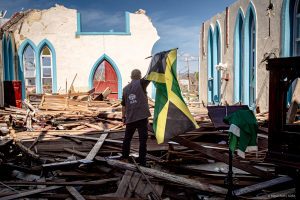 ADRA has activated a National Emergency Management Plan in Jamaica to help survivors in the wake of Hurricane Melissa. In times like these, we need generous and compassionate people to make a real difference.
Despite the likely comparisons to last year’s Hurricane Beryl, most authorities are calling the recent damage on the island “unprecedented.” This is particularly haunting because the exact same language was used about Beryl last year. Melissa’s destruction coming this late in the year really punctuates last year’s warning about the increasing severity and duration of hurricane season in the Caribbean. Hurricane Beryl struck unusually early in June of 2024, while Hurricane Melissa arrived just shy of November 2025.
The time to act is now. In response to Beryl last year, the ADRA network provided $110,000 (USD) in aid to help people rebuild their lives. ADRA Canada is prepared to once again support the delivery of lifesaving assistance to survivors and families. But as “natural disasters” begin to look increasingly unnatural, we all must begin to think bigger—to consider how to help those most geographically vulnerable to adapt to the intensifying pangs of nature destabilized.
To many people around the world, the nation of Jamaica is best known for joy, music, and celebration. Please help us restore joy and hope to people who have lost so much.
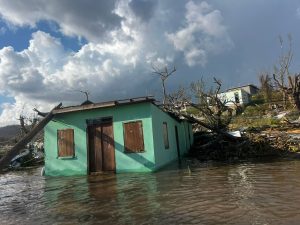 Hurricane Melissa made landfall on the island of Jamaica on Tuesday, October 28, 2025. The violent category 5 hurricane was the most intense tropical cyclone to strike the island nation in the last two centuries. The situation for many local survivors is terrifying, and at least five people on the island are already confirmed dead.
Melissa left devastation and destruction in its wake, with trees uprooted from the ground and houses torn apart. The damage has been especially bad in the western portions of the island, but communities across the country have been flooded and left without power. There are roughly 530,000 people currently without electricity.
Because of these power outages, many Jamaicans outside of the country have struggled to establish contact with family members who may have survived the storm. With nearly 15,000 people currently staying in shelters, there is a palpable sense of dread and uncertainty for many. The trouble isn’t quite over either. Flood waters caused by the hurricane were experienced in nearby Haiti, and the storm is continuing onward towards Cuba and parts of the Bahamas.