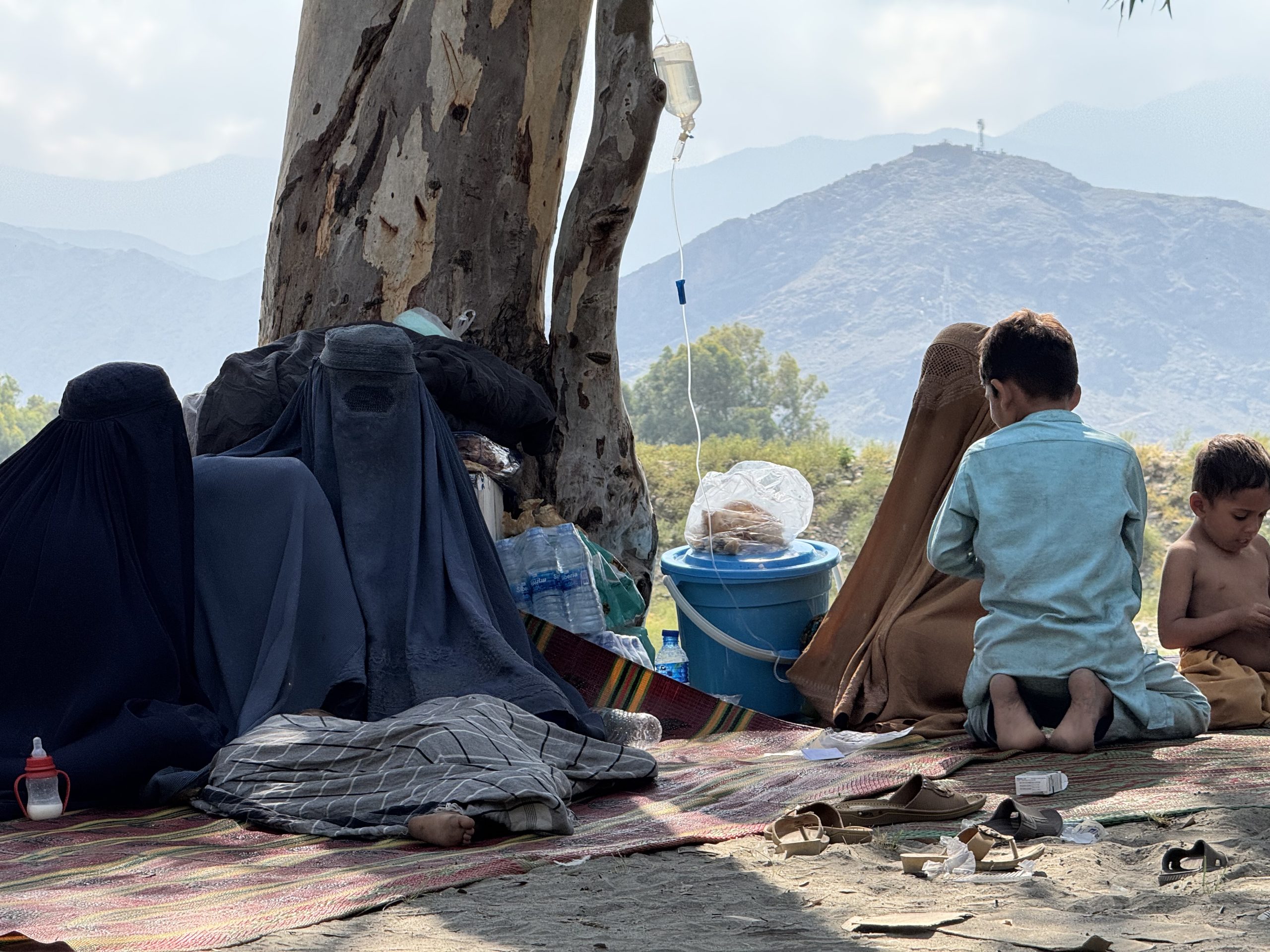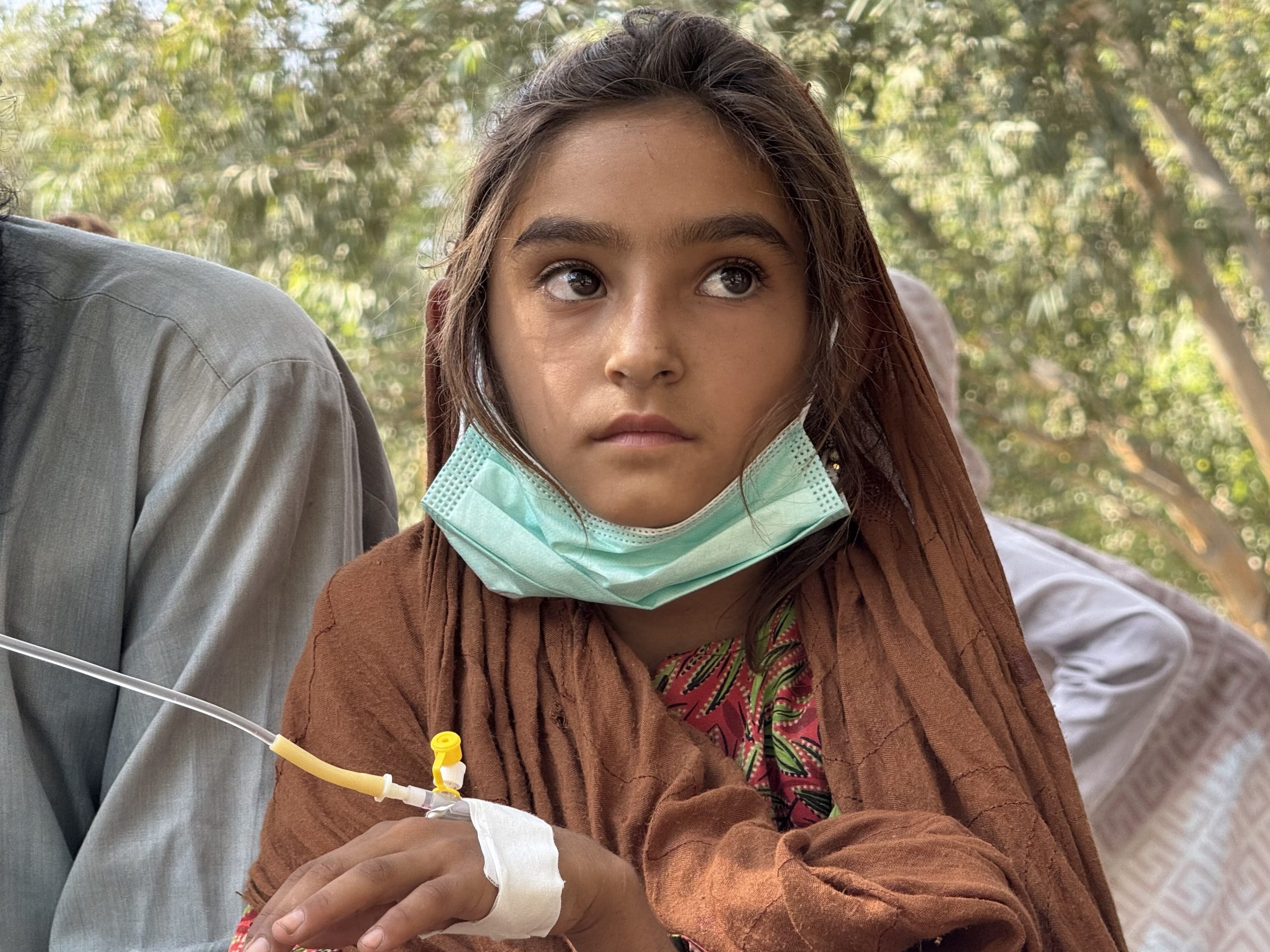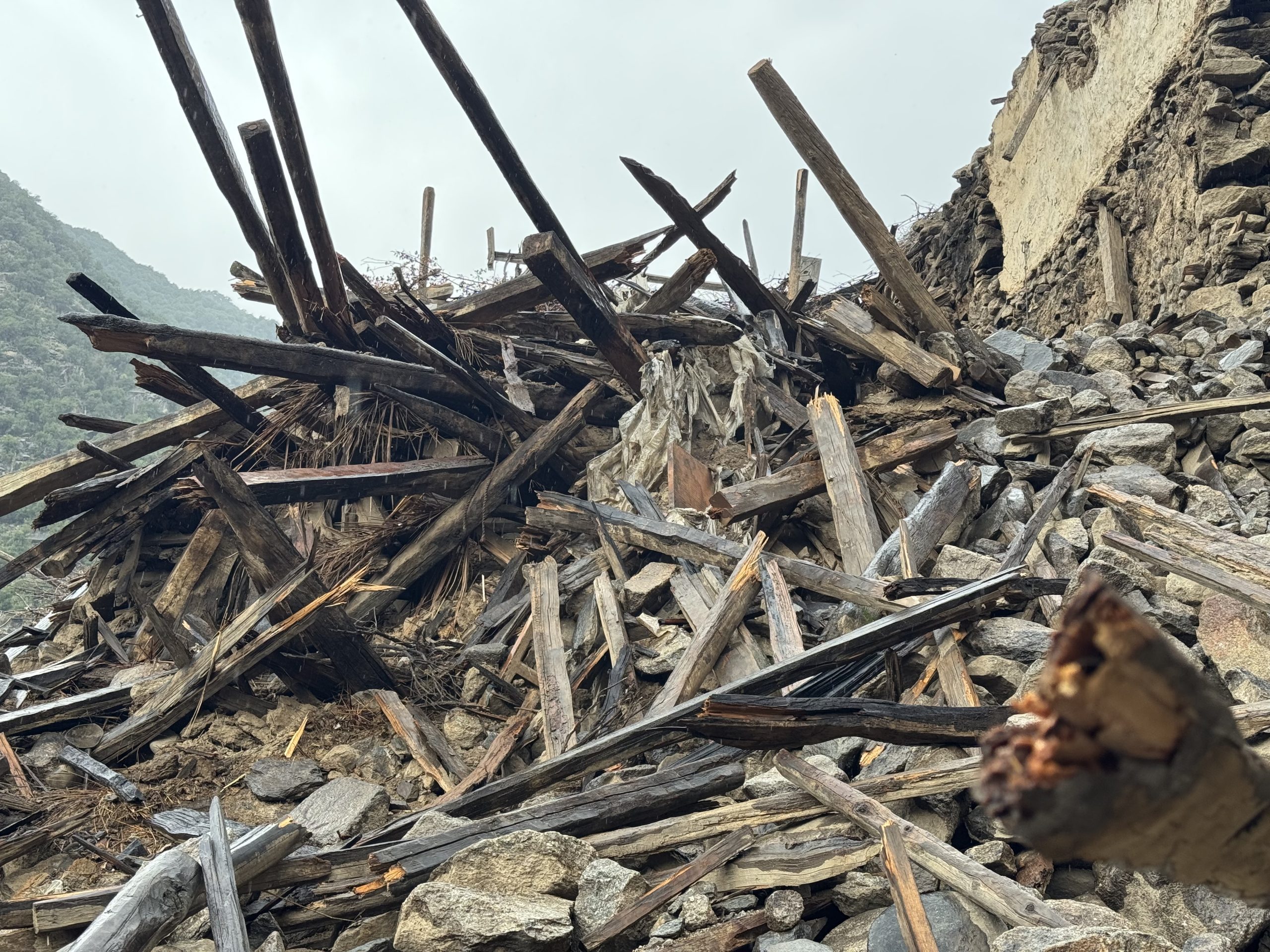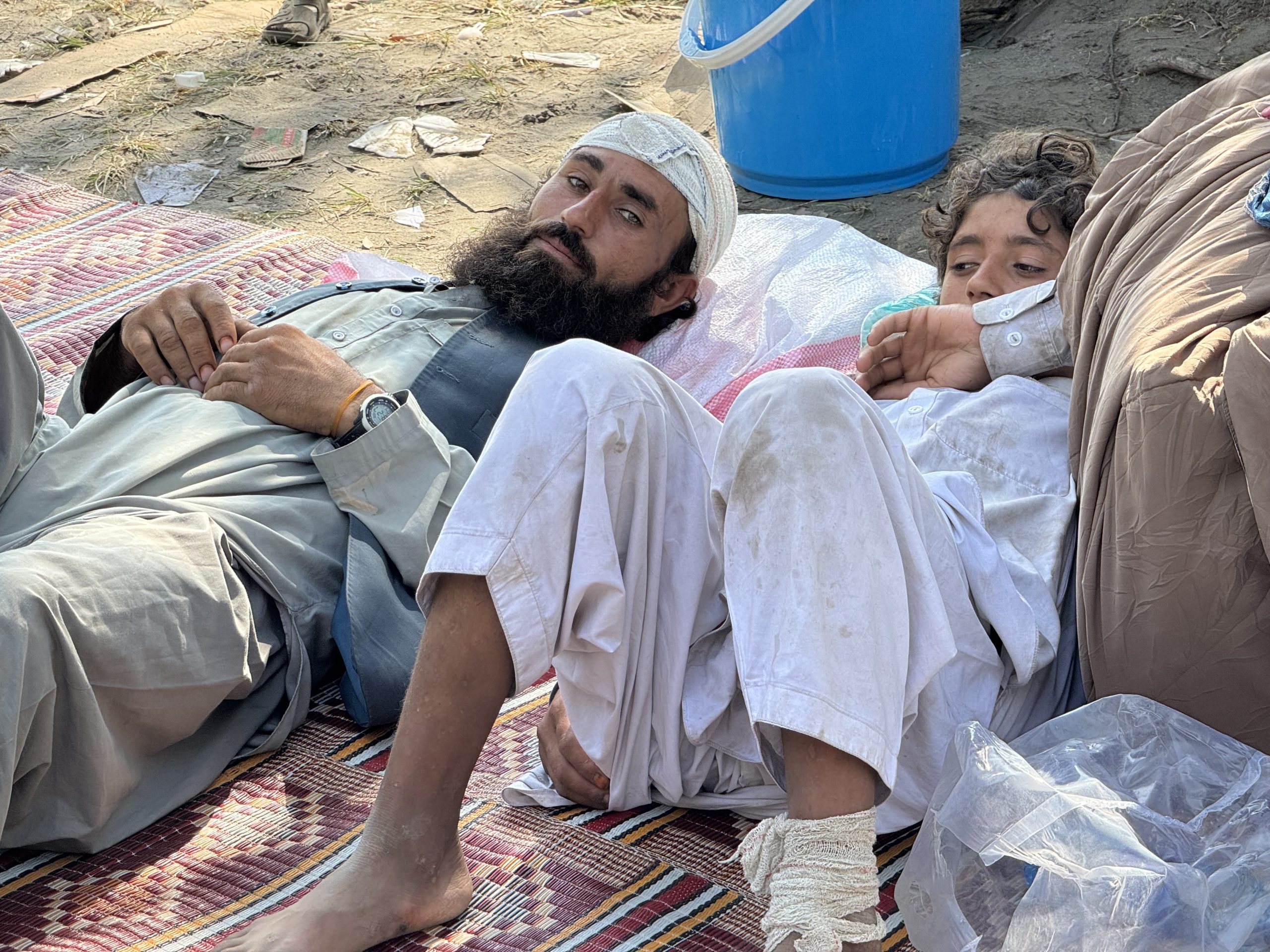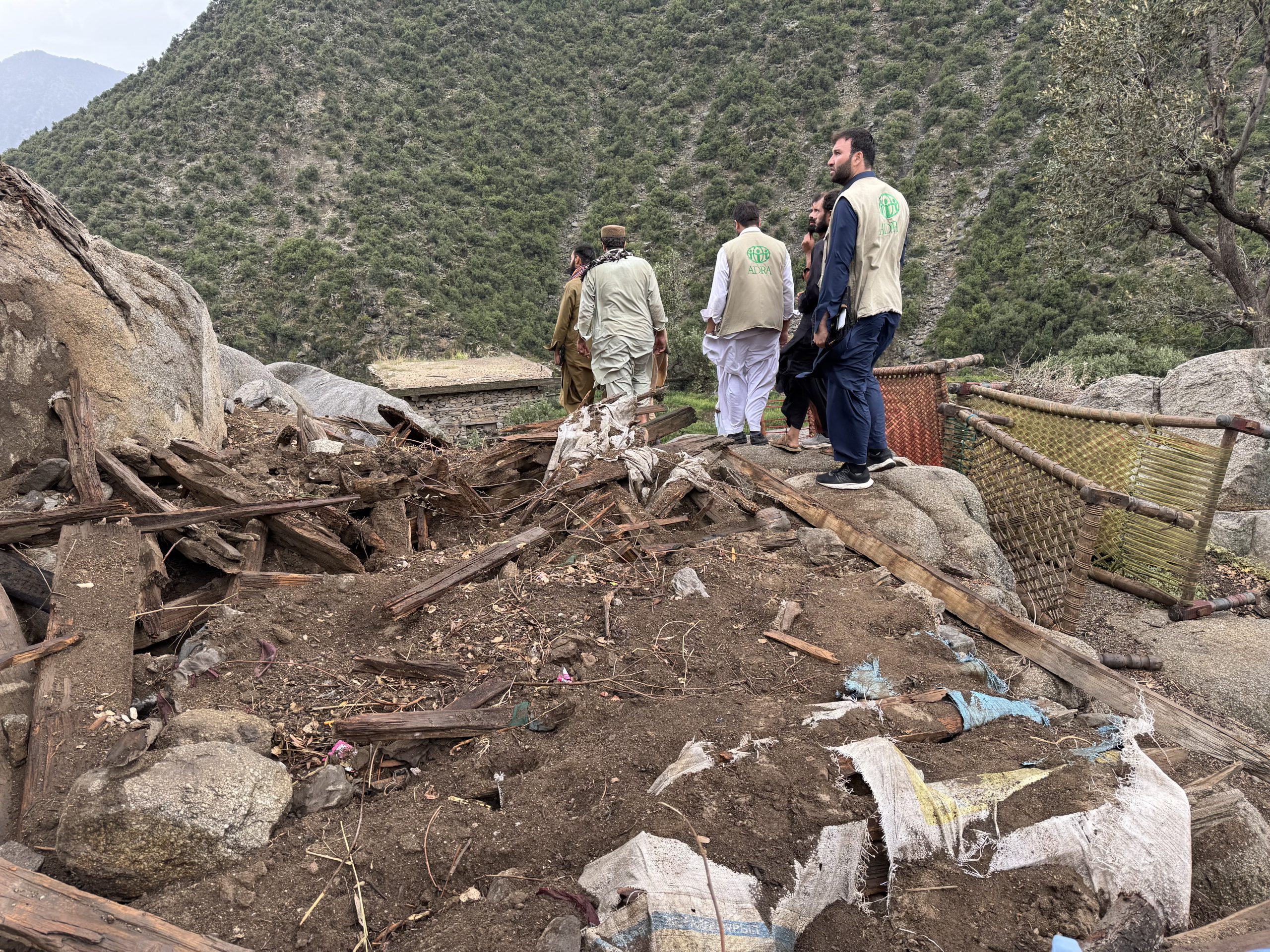
On August 31, a powerful 6.0-magnitude earthquake struck eastern Afghanistan, flattening villages and triggering deadly landslides. The devastation spans four provinces—Nangarhar, Kunar, Nuristan, and Laghman—where poverty, drought, and recent displacement had already left families on the edge of survival. Now with the initial earthquake and sizeable aftershocks, the situation for many families is overwhelming.
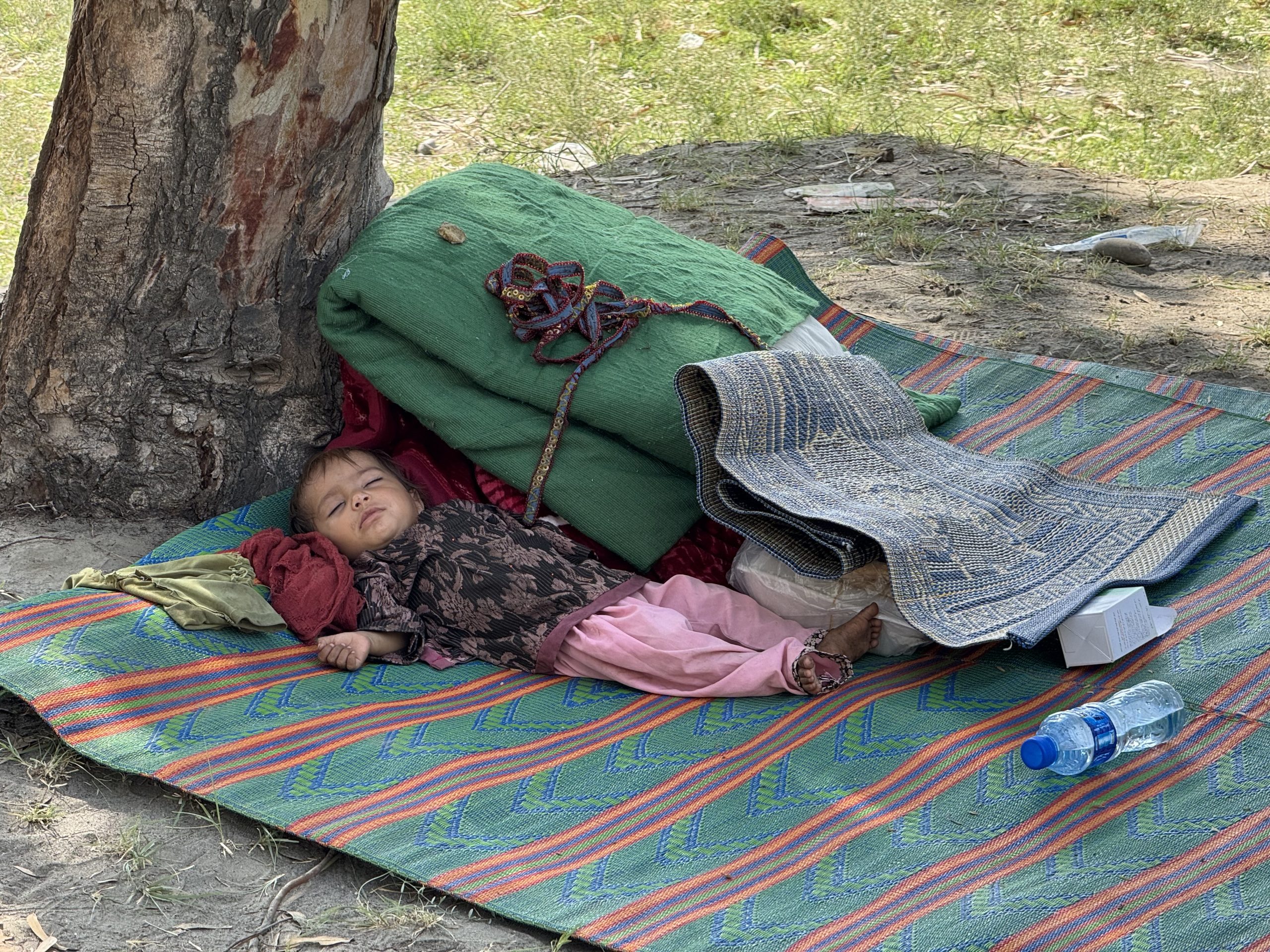
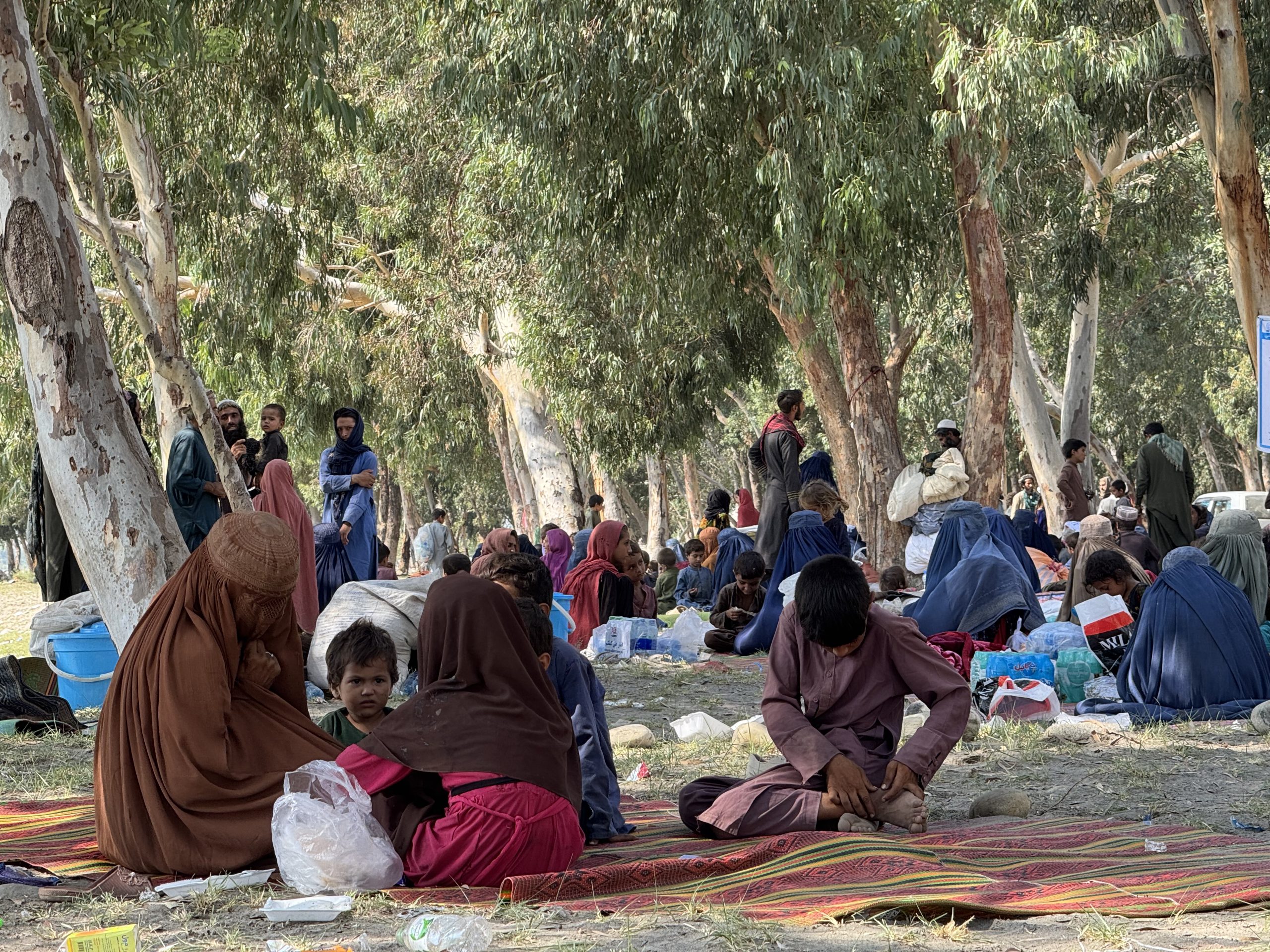
The human cost is staggering. More than 2,200 people are confirmed dead, over 3,600 injured, and an estimated 500,000 people have been directly affected. Entire communities have been reduced to rubble, with at least 6,700 homes destroyed. Some survivors spend their nights exposed out in the open without proper shelter. With little food, inconsistent access to safe water, and no protection as winter approaches, disease outbreaks among the already shaken survivors are now a looming threat.
Two powerful aftershocks rattled the region this week, delaying relief efforts further. The roads leading into mountain villages have been blocked by landslides. Hospitals are overwhelmed, and large-scale humanitarian response has been slow to materialize due to access and funding challenges. Women, children, displaced families, and recent returnees (especially from Pakistan) are among the most at risk.
ADRA’s assessment teams in Kunar and Nangarhar are reporting catastrophic destruction and urgent needs for food, clean water, tents, shelter materials, and hygiene supplies. Our staff are prepared to act, but resources are scarce. Without timely funding, thousands of survivor families will remain exposed to hunger, disease, and the bitter cold of the coming winter.
This is a race against time. Every gift helps us deliver lifesaving aid where it is needed most.