
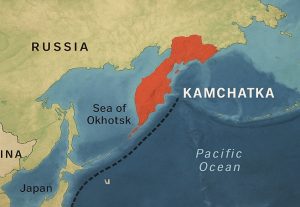
 On July 30, 2025, an 8.8-magnitude earthquake struck off Russia’s Kamchatka Peninsula, one of the strongest quakes ever recorded. It triggered tsunami warnings and advisories across the Pacific, including coastal British Columbia, the U.S. West Coast, Japan, New Zealand, and parts of South America.
Fortunately, no major damage or fatalities have been reported in Canada so far. The British Columbia tsunami advisory was cancelled by early morning on July 30. While the risk has now passed, this is a strong reminder that earthquakes can strike without warning.
However, in light of this event, it’s important to stay informed and prepared. Here is what you need to know.
Earthquakes are sudden movements on the Earth’s surface caused by shifting tectonic plates. They strike without warning and range from minor quakes that may go unnoticed to violent shaking that causes widespread destruction for affected communities.
Canada experiences an estimated 4,000 earthquakes every year. These earthquakes are most common in British Columbia, but they can also sometimes occur in Quebec, Ontario, and the Yukon.
If you feel the ground shake, here is what you should do:
Earthquakes can lead to serious secondary risks, including:
ADRA works with communities in high-risk regions to prepare for emergencies and respond when disaster strikes, offering shelter, supplies, and long-term recovery support.
Remember, preparedness saves lives. By staying informed, equipping your home, and supporting community-based response efforts, you become part of a network that is ready when the unexpected happens.