
Education
Education
Global Statistics
While education is a need for both boys and girls, girls continue to face the greatest barriers. ADRA is uniquely positioned to not only provide access to schools, but also to tackle the root causes of inequality. When a girl has access to education, her whole community benefits: child deaths drop, early marriages decline, incomes rise, and generations break free from poverty.
There are 131 million girls worldwide out of school. Girls are 1.5 times more likely than boys to be excluded from primary school. That means that 15 million girls of primary school age will never have the opportunity to learn to read and write in primary school, compared to about 10 million boys.
131 million girls worldwide out of school
Girls are 1.5 times more likely than boys to miss primary school
15 million girls may never learn to read or write
Education
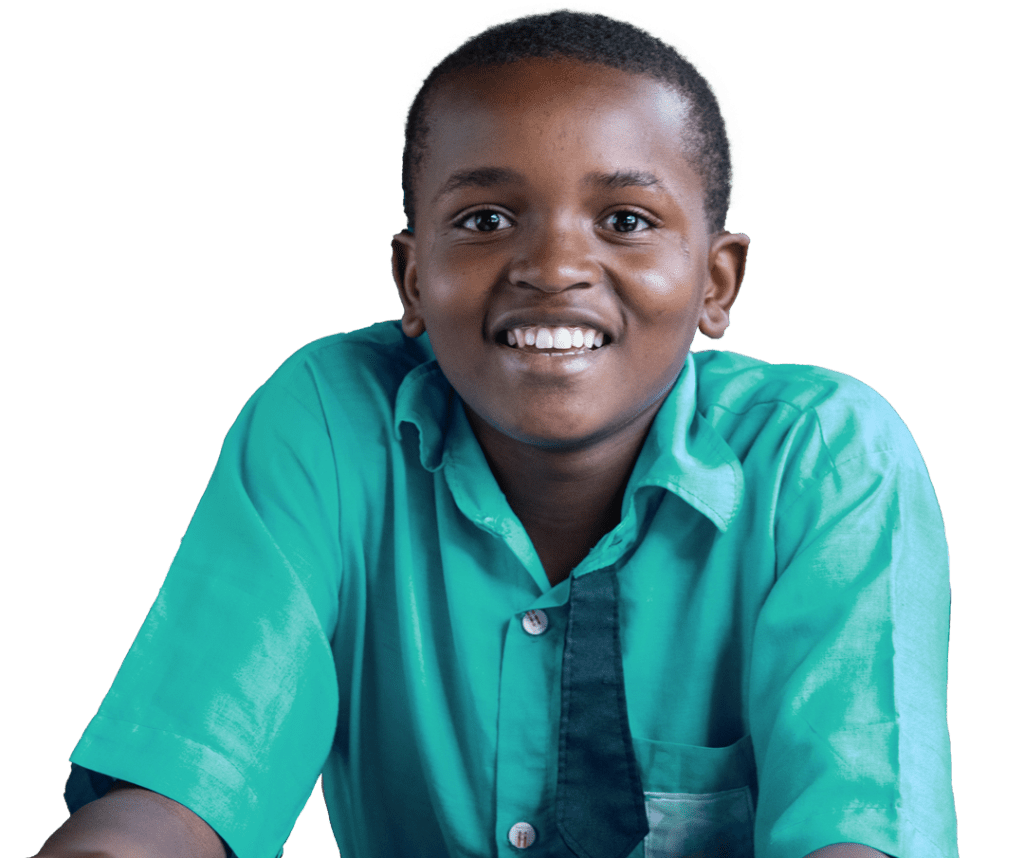
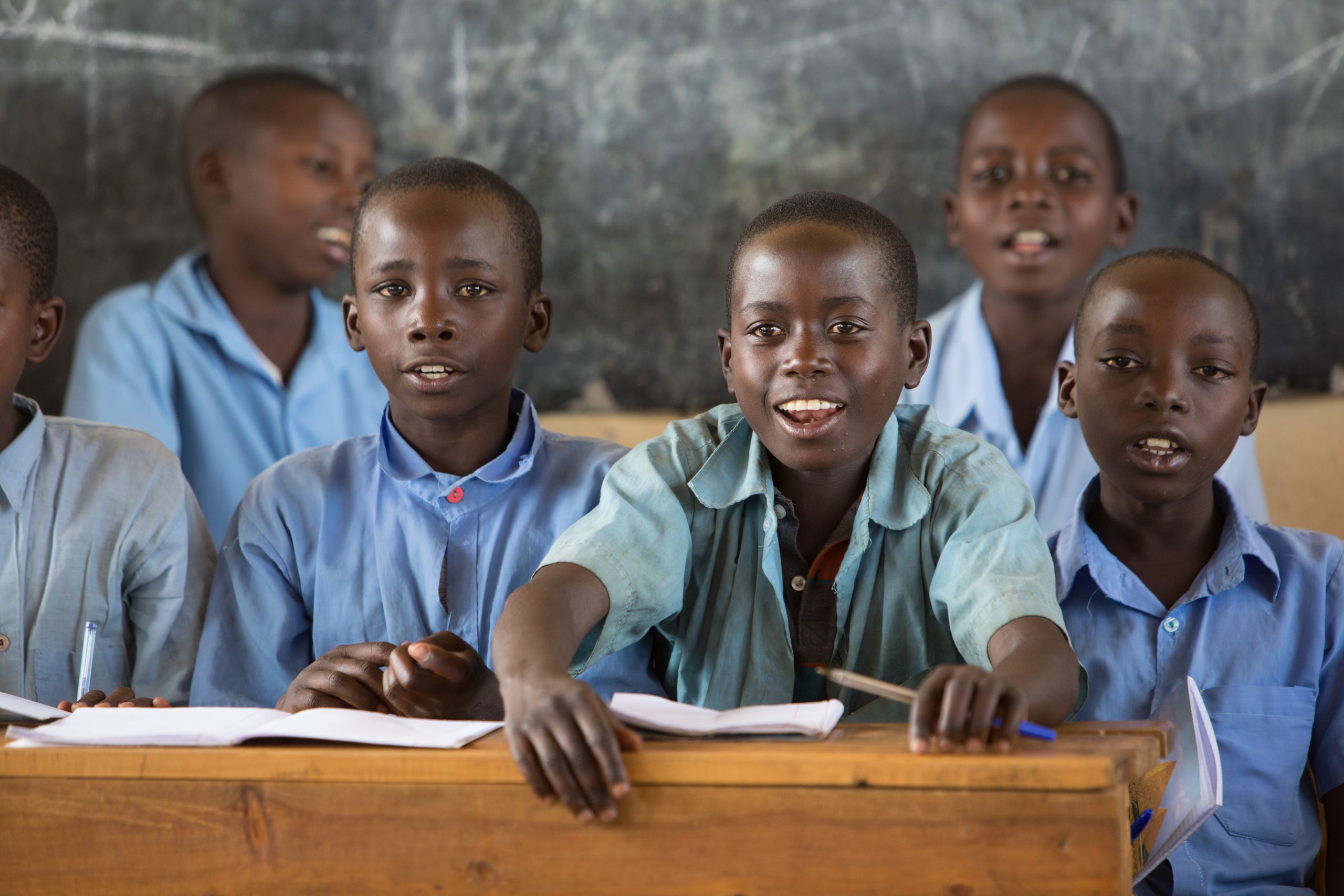
Education is every child’s right. By investing in schools, teachers, and equal opportunities, you are helping boys and girls learn, grow, and create a brighter future for themselves and their communities.
Barriers to Education
Early marriage and pregnancy
Girls who become pregnant at an early age often find themselves unable to attend school, even when they want to after childbirth. One third of girls in the developing world are married before the age of 18 and 1 in 9 are married before the age of 15.
Remoteness
In developing countries, rural girls are twice as unlikely to attend school as urban girls. This is because in remote or rural areas, there is often a greater prevalence of social and cultural barriers, labour requirements and the distance that keep girls out of school.
Poverty
Poverty forces many families to choose which of their children to send to school. Girls often miss out due to belief that there is less value in educating a girl than a boy. Instead, they are sent to work or made to stay at home to do domestic chores, or are married off.
Menstrual cycle
Many girls do not turn up to school during their menstrual cycle, or drop out of school altogether once they start menstruating. Girls in Sub-Saharan Africa miss 20% of their school year once they start menstruating due to lack of appropriate menstrual hygiene education or toilet facilities.
Together, we can
That’s why ADRA is committed to removing barriers and opening classrooms. With your support, we:
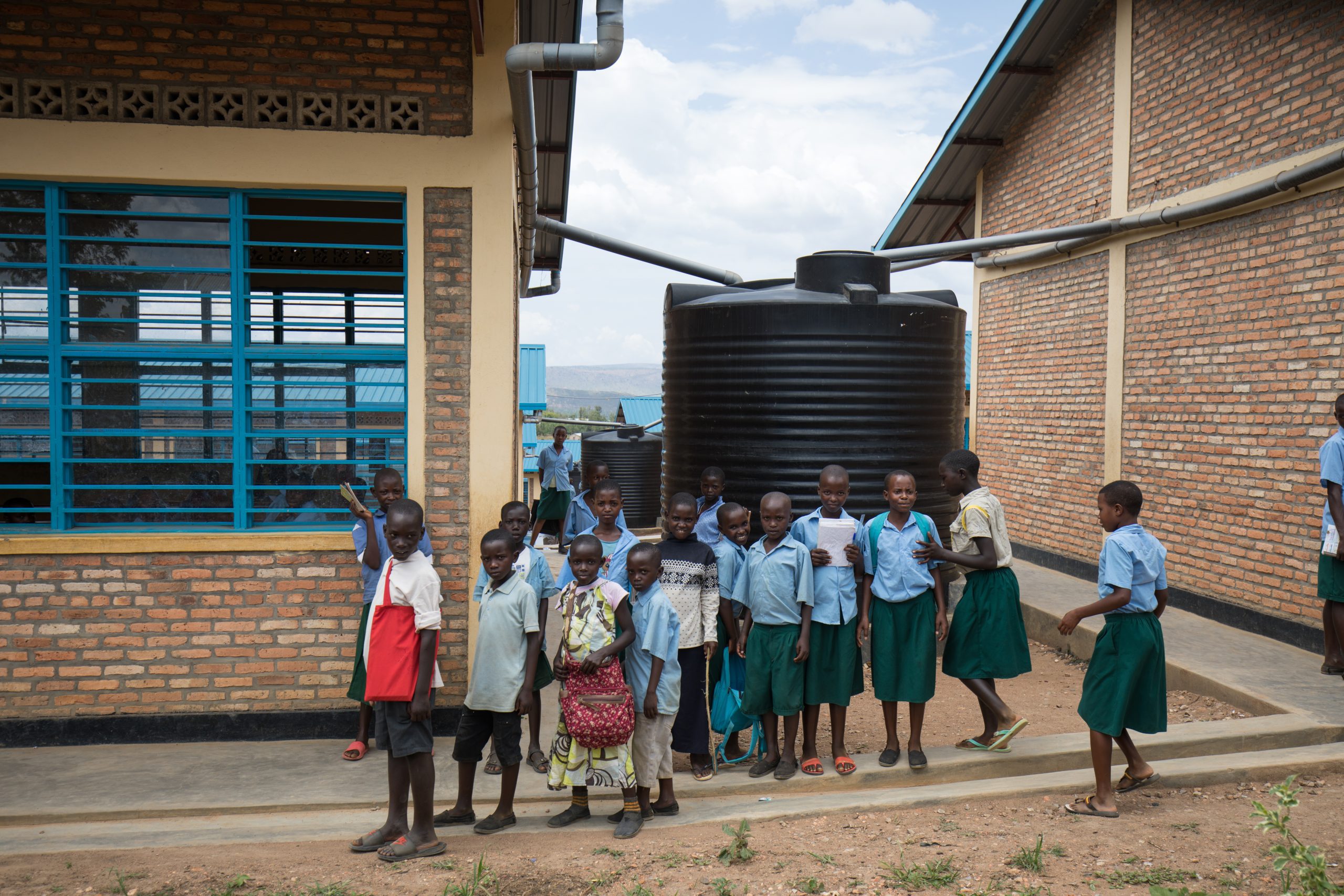
Build and renovate schools in underserved communities.
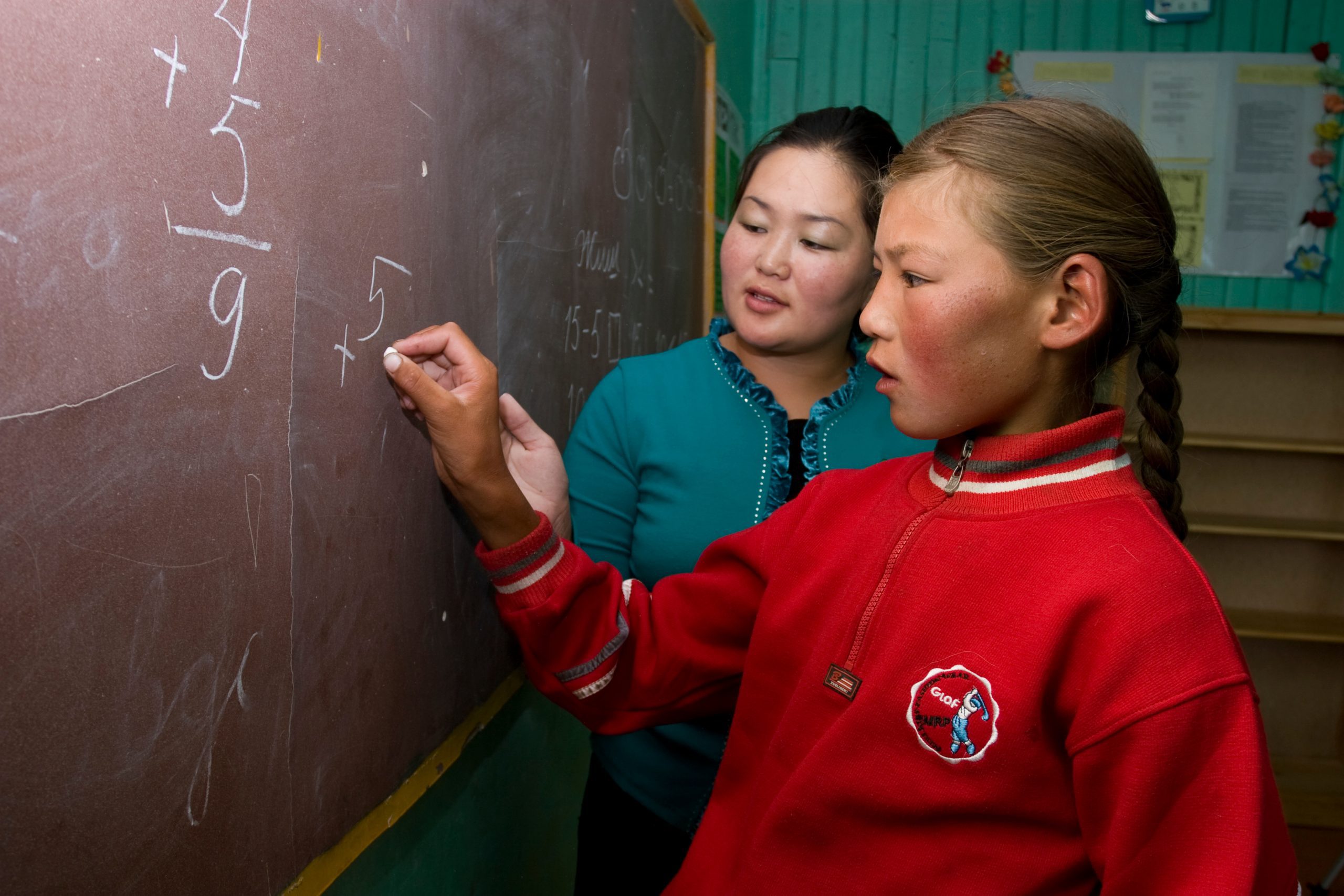
Train and support teachers to deliver quality education.
Create safe and inclusive learning environments.
Offer financial support for families in need to help cover costs.
Provide desks, books, uniforms, and school supplies to children.
Partner with families and communities to support girls’ education.
Establish adult learning programs that help everyone reach their potential.
Related Stories
- Stories
Discover how the TOGETHER project, funded by Global Affairs Canada, is transforming healthcare delivery in...
- Stories
There are villages in the northern region of Thailand where modern amenities are inaccessible. People...
- Stories
How much is an education worth to you? Would you defy your family to go...